

Events
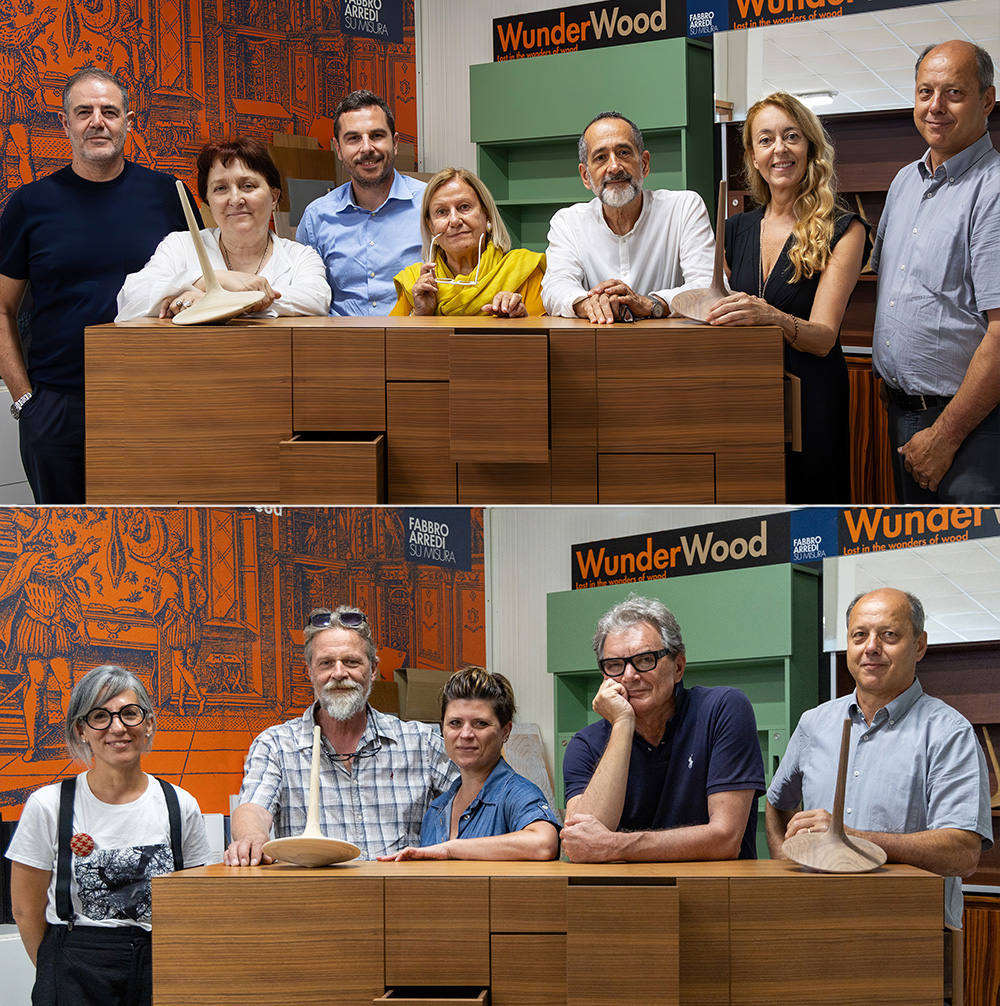
Winning the fourth edition of the WunderWood – Lost in the Wonders of Wood contest is the “Chiodino” project by two students from the G.B.Tiepolo Academy of Fine Arts in Udine, Bevilacqua Giorgia and Lamarina Marika.
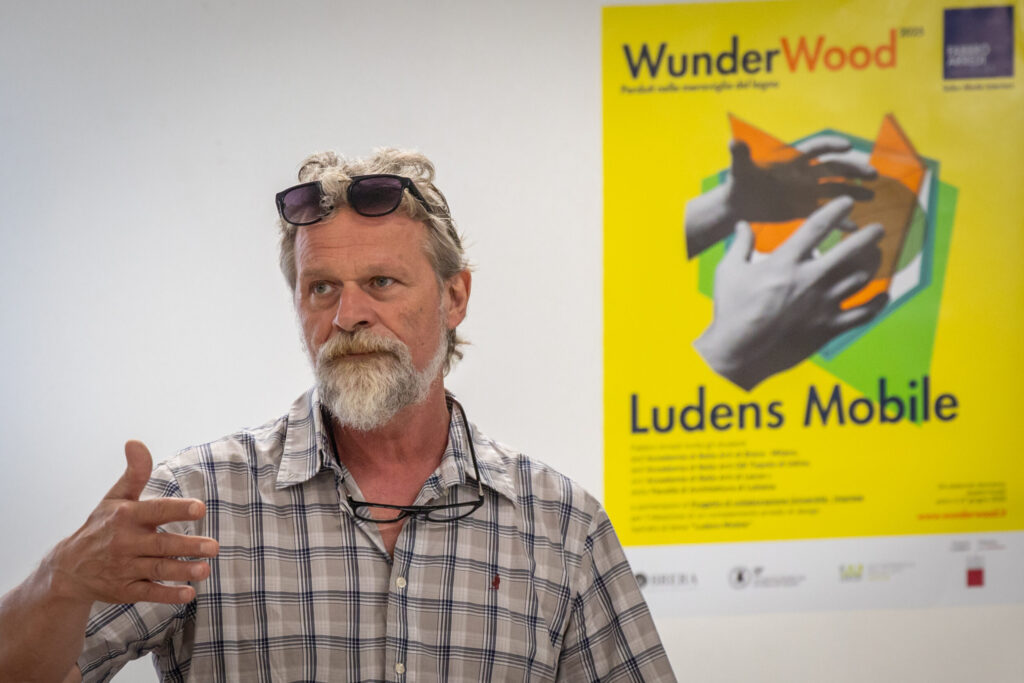
Through a call for proposals, WunderWood 2025 invited students from the Brera Academy of Fine Arts – Milan, the Faculty of Architecture in Ljubljana, the G.B.Tiepolo Academy of Fine Arts in Udine, and the Academy of Fine Arts in Lecce, to design a wooden container furniture inspired by the theme “Ludens Mobile.”
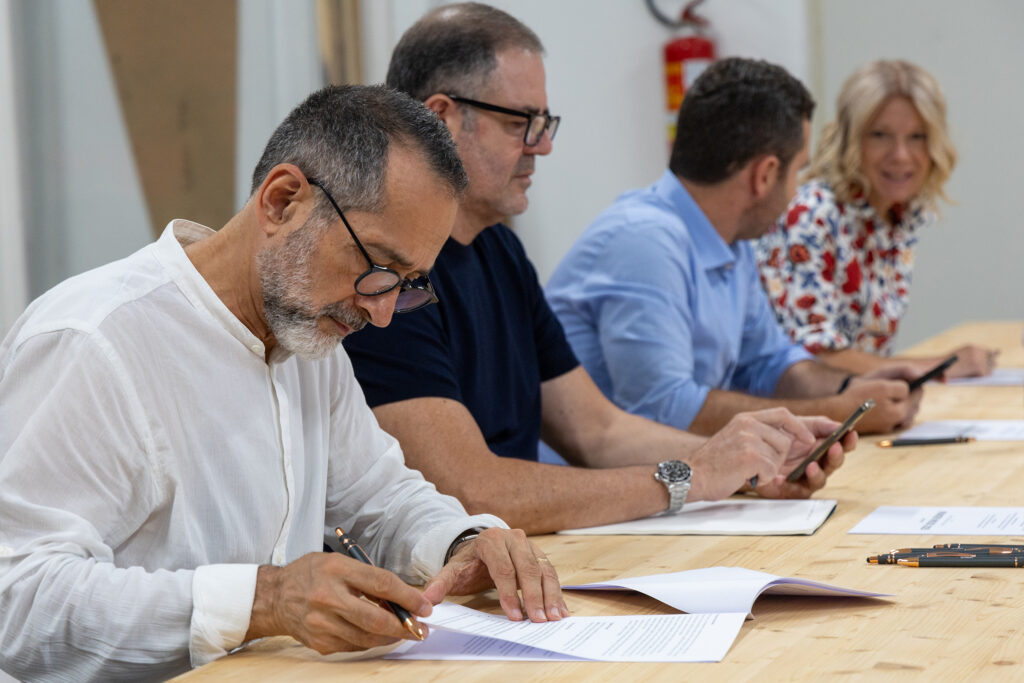
A jury of excellence composed of Anty Pansera – Critic and historian of design, Carlo Piemonte – General Director Cluster wood home furnishings FVG, Claudio Gambardella – former Professor of Industrial Design at DADI/Vanvitelli, Claudio Papa – Designer and Vice President ADI delegation of Friuli Venezia Giulia, Marina Jonna – Architect, Journalist and Editor At Large Design Diffusion World, Patrizia Moroso – Art Director Moroso S. p.A and Sandro Fabbro – Owner Fabbro Arredi decreed, in addition to the winning furniture, four special mentions.
The theme of this edition prompted a research on the theme of play. Comments Marina Jonna: “It is not a pastime, but an original form of thought, a creative practice that shapes rules, worlds, visions.
Four academies-Brera, Ljubljana, Lecce and Udine-were invited to explore the playful nature of design: not as escapism, but as fertile ground for invention. Participants were asked to get involved, in the most authentic sense: to leave aside the task to pursue the pleasure of the gesture, the slow tempo of the hand, the soft logic of intuition. The result was mobile and mental objects, tools for living in a new way. Projects that can be touched, modified, interpreted each time with different eyes. Because in play, as in design, the rule is only the beginning. And every form is an invitation to go further.”
The jury recognized originality and creativity, quality and topicality of design, aesthetic value, conceptual and narrative coherence of the project in the winning project. The idea behind it starts from a recovery of emotional values of childhood with the interaction of a game, stimulates creativity in the family and becomes a place of socialization. Its production is accessible: “Chiodino” is a piece of furniture that reduces waste and thus becomes highly sustainable. Moreover, it can be modified in size without losing its primary concept.
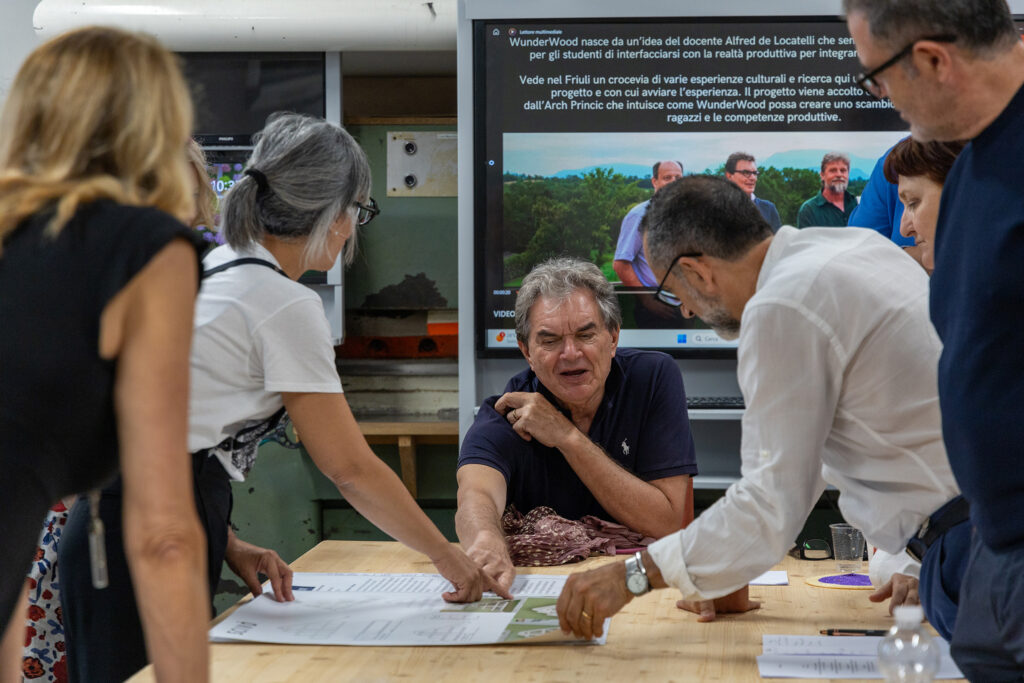
Le due studentesse vincitrici vedranno realizzato il loro progetto da Fabbro Arredi che le accompagnerà in un percorso formativo attraverso le varie fasi produttive, dall’analisi al disegno tecnico, fino all’assemblaggio. Uno degli obiettivi del concorso è infatti dare la possibilità ai giovani designer di domani di fare un’esperienza formativa in grado di sviluppare competenze e abilità integrative. Il progetto vincitore verrà prodotto, ne sarà promossa la vendita e verrà esposto in occasione di mostre, in Italia e all’estero.
“E se il futuro è anche nelle nuove generazioni – osserva Anty Pansera – ecco che Fabbro Arredi ha voluto coinvolgere e offrire a degli studenti l’occasione di uno stage da “guadagnarsi” rispondendo ad una chiamata a tema: giorni in azienda a far diventare prodotto il proprio progetto, un’opportunità che poche facoltà universitarie offrono. La progettazione allora di un mobile contenitore in legno Ludens, ispirato quest’anno al tema di un mobile/contenitore/gioco (nelle sue più varie accezioni), che richiama/riporta dunque all’ l’idea del gioco, e un “premio”/riconoscimento/ricompensa che offre al vincitore/vincitrice, la possibilità di entrare dentro al percorso produttivo: quel progettare e realizzare che ci riporta ai mitici laboratori del Bauhaus.”
The two winning students will see their project realized by Fabbro Arredi, which will accompany them on a training course through the various production stages, from analysis to technical drawing and assembly. Indeed, one of the goals of the competition is to give the young designers of tomorrow the opportunity to have an educational experience that can develop integrative skills and abilities. The winning project will be produced, its sale will be promoted, and it will be displayed at exhibitions in Italy and abroad.
“And if the future is also in the new generations,” observes Anty Pansera, “that’s why Fabbro Arredi wanted to involve and offer students the opportunity of an internship to be ”earned” by responding to a theme call: days in the company to make their project become a product, an opportunity that few university faculties offer. The design then of a Ludens wooden container cabinet, inspired this year by the theme of a cabinet/container/game (in its most varied meanings), thus recalling/referring to ‘the idea of play, and a “prize”/recognition/reward that offers the winner/winner, the chance to enter inside the production path: that designing and making that takes us back to the mythical Bauhaus workshops.”